

It’s one of the most repeated pieces of health advice out there: drink eight glasses of water a day. It’s simple, it’s memorable – and it turns out there’s surprisingly little science behind it. Here’s what actually matters for staying hydrated.
Where the “8 glasses” rule came from
The rule traces back to a 1945 recommendation from the US Food and Nutrition Board, which suggested adults needed around 2.5 litres of fluid a day. The catch – and this is the part that got lost along the way – is that the same guidance explicitly noted most of that fluid comes from the food we eat, not just from drinking water. Over the decades, that context disappeared, and “drink 8 glasses of water” became accepted as standalone fact. When a Dartmouth researcher reviewed the scientific literature in 2002, he found no study had ever actually validated the rule.
Why a fixed number doesn’t work for everyone
Fluid needs are genuinely individual, and depend on:
- Body size: a larger body generally needs more fluid than a smaller one
- Activity level: more movement and sweat means more fluid lost
- Climate: Perth’s hot, dry summers genuinely increase fluid needs compared to cooler months
- Age: older adults have a blunted thirst response and may need to be more deliberate about fluid intake, even without feeling thirsty
- Diet: fruits and vegetables are often 80–95% water, so a diet rich in produce contributes meaningfully to hydration without a single extra glass
- Health conditions and medications: some genuinely do require personalised fluid targets, which is worth discussing with your doctor rather than following a generic rule
A better guide than counting glasses
For most healthy adults, two simple, evidence-supported markers work better than a fixed number:
- Thirst. For the vast majority of healthy people, thirst is a reliable and well-functioning signal – if you’re thirsty, drink.
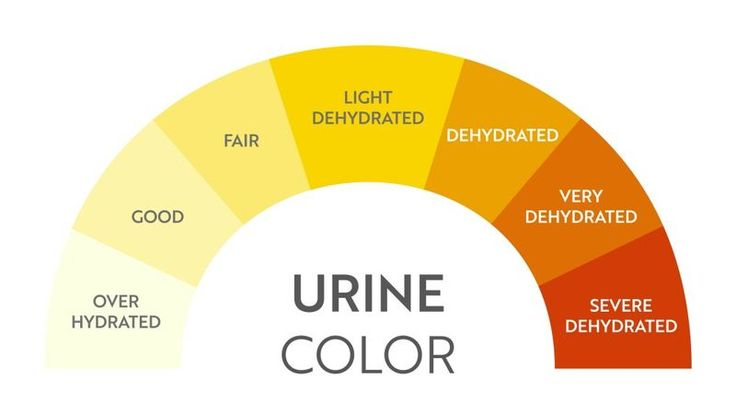
- Urine colour. Pale, straw-coloured urine generally indicates good hydration; dark yellow suggests you could do with more fluid.
Why hydration is still worth taking seriously
None of this means hydration doesn’t matter. A National Institutes of Health study following more than 11,000 adults over roughly 25-30 years found that people with higher-normal blood sodium levels (a marker of lower fluid intake) were more likely to develop chronic disease, show signs of faster biological ageing, and die at a younger age than those with more moderate levels. The researchers weren’t suggesting everyone should force down more water – rather, that chronically running a little dehydrated, without ever feeling “thirsty enough” to notice, may carry a real long-term cost. It’s a good reason to stay attentive to hydration, just not via an arbitrary glass count.
Yes, you can overdo it
It’s not just about drinking too little. Forcing large amounts of plain water beyond what your body needs can, in rare cases, dilute sodium levels in the blood (hyponatremia), which can cause nausea, confusion, or in severe cases, seizures. This is most common in endurance athletes drinking large volumes without replacing electrolytes, but it’s a good reminder that “more is always better” doesn’t apply to hydration any more than it does to most things in nutrition.
Practical takeaways
- Don’t stress about hitting a specific number of glasses – let thirst and urine colour guide you
- On hot Perth days, or if you’re active outdoors, be proactive rather than waiting to feel thirsty
- Remember that coffee, tea, and food all count towards your fluid intake – you don’t need to track plain water separately
- If you’re older, on certain medications, or managing a health condition, ask your doctor or dietitian what’s right for you specifically
The takeaway
The 8-glasses rule isn’t dangerous advice, but it’s not personalised advice either. Your body already has a good system for telling you what it needs – the goal is learning to trust and support that system, rather than chasing an arbitrary number.
If you have a specific health condition, train intensively, or just want a hydration plan tailored to you, our dietetics team at Ace Health & Performance can help. Get in touch on 0432 441 104 or admin@acehp.com.au, or visit us at 98 Scarborough Beach Road, Mount Hawthorn.
References
- Valtin, H. (2002). “Drink at least eight glasses of water a day.” Really? Is there scientific evidence for “8 x 8”? American Journal of Physiology-Regulatory, Integrative and Comparative Physiology, 283(5), R993–R1004.
- Dmitrieva, N.I., Gagarin, A., Liu, D., Wu, C.O. & Boehm, M. (2023). Middle-age high normal serum sodium as a risk factor for accelerated biological aging, chronic diseases, and premature mortality. eBioMedicine, 87, 104404.
- National Institutes of Health (NIH), National Heart, Lung, and Blood Institute. Good hydration linked to healthy aging (2023)
- Institute of Medicine (US) Panel on Dietary Reference Intakes for Electrolytes and Water. Dietary Reference Intakes for Water, Potassium, Sodium, Chloride, and Sulfate. National Academies Press (2005)


Comments:
share