
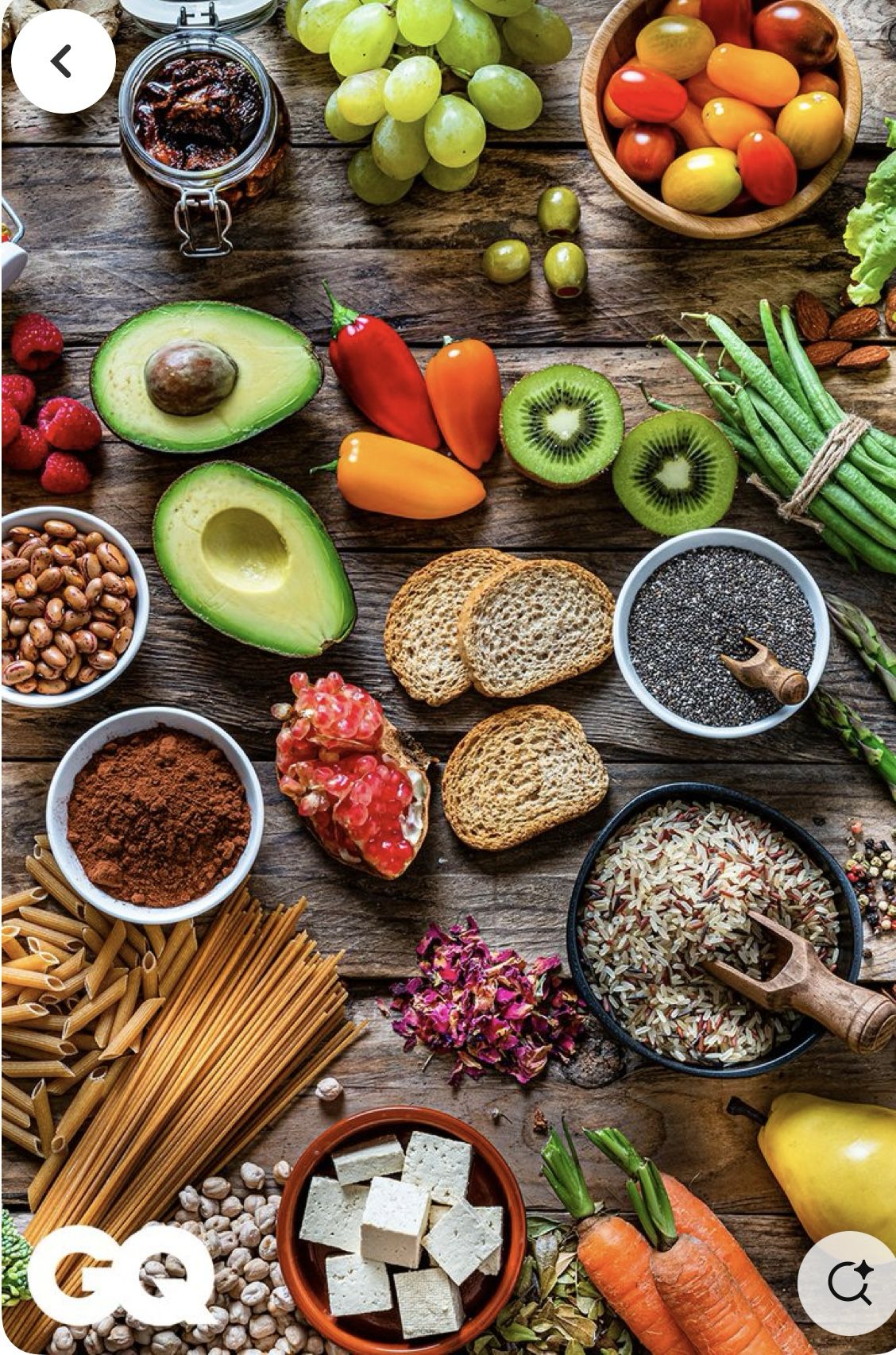
Your nutritional needs don’t stay the same throughout life. As we age, certain nutrients become more important – not less – and the amount our bodies need can actually increase, even as appetite often decreases. Here’s what the evidence says matters most.
Protein: probably more than you think
From around age 65 onwards (and often earlier), we naturally start to lose muscle mass and strength – a process called sarcopenia. It’s estimated to affect somewhere between 6–22% of older adults, and it’s linked to falls, frailty and loss of independence.
The standard adult protein recommendation is around 0.8 g per kilogram of body weight per day. For older adults, the evidence points to needing more – generally 1.0–1.2 g/kg/day, and higher again (1.2–1.5 g/kg/day) for those already experiencing muscle loss. For an 70kg adult, that’s a jump from roughly 56g to 70–85g of protein a day.
Practical ways to get there:
- Aim for a source of protein at every meal, not just dinner – eggs or Greek yoghurt at breakfast make a real difference
- Good sources: eggs, dairy, fish, poultry, legumes, tofu, nuts
- If appetite is low, protein-rich snacks (yoghurt, cheese, nuts, a boiled egg) can be easier to manage than a large meal
Calcium and vitamin D
Bone density naturally declines with age, and adequate calcium (around 1,000–1,200 mg/day) and vitamin D (around 800 IU/day) remain important for reducing fracture risk. Vitamin D is hard to get from food alone, so safe sun exposure or supplementation is often necessary, especially for those who spend more time indoors.
Vitamin B12
As we age, the stomach produces less of the acid needed to absorb B12 from food, even if intake is adequate. This can lead to deficiency over time, which affects energy and cognitive function. It’s worth discussing B12 levels with your GP if you’re over 65, particularly if you follow a plant-based diet.
Fruit, vegetables and a Mediterranean-style pattern
Higher intake of fruit and vegetables is consistently linked to better physical performance in older adults, and greater adherence to a Mediterranean-style diet has been associated with better muscle function. The mechanism likely comes down to the combination of antioxidants, fibre and healthy fats working together – not any single “miracle” food.
Hydration needs closer attention
Thirst perception naturally blunts with age, meaning older adults can become dehydrated without feeling particularly thirsty. This is worth watching for proactively rather than relying on thirst alone as a signal (more on this in our hydration myths post).
Why appetite decline is worth addressing, not accepting
It’s common for appetite to decrease with age, but a shrinking appetite combined with rising nutrient needs is exactly the combination that puts older adults at risk of under-nutrition. Smaller, more frequent, nutrient-dense meals are often more achievable than three large meals, and can make a meaningful difference over time.
The takeaway
Healthy ageing nutrition isn’t about eating less as you get older — in several key areas, it’s about eating more of the right things, particularly protein. Small, consistent adjustments to your eating pattern can have a real impact on strength, independence and quality of life.
Our dietetics team can help build an eating plan that supports strength, bone health and independence as you age — including support for Chronic Disease Management plans and DVA clients. Get in touch on 0432 441 104 or admin@acehp.com.au, or visit us at 98 Scarborough Beach Road, Mount Hawthorn.
References
- Dietary protein requirements of older adults with sarcopenia determined by the indicator amino acid oxidation technology, Frontiers in Nutrition (2025)
- Associations of sarcopenia components with physical activity and nutrition in Australian older adults performing exercise training, PMC
- Exercise and nutrition strategies for sarcopenia in older adults: evidence from a network meta-analysis based on EWGSOP and AWGS criteria, PMC (2025)
- Nutrition in the prevention and treatment of skeletal muscle ageing and sarcopenia: a single nutrient, a whole food and a whole diet approach, PMC
- Nutritional Interventions: Dietary Protein Needs and Influences on Skeletal Muscle of Older Adults, The Journals of Gerontology: Series A (2023)
- National Resource Center on Nutrition & Aging. Nutrition Needs for Older Adults: Protein, ACL.gov


Comments:
share